
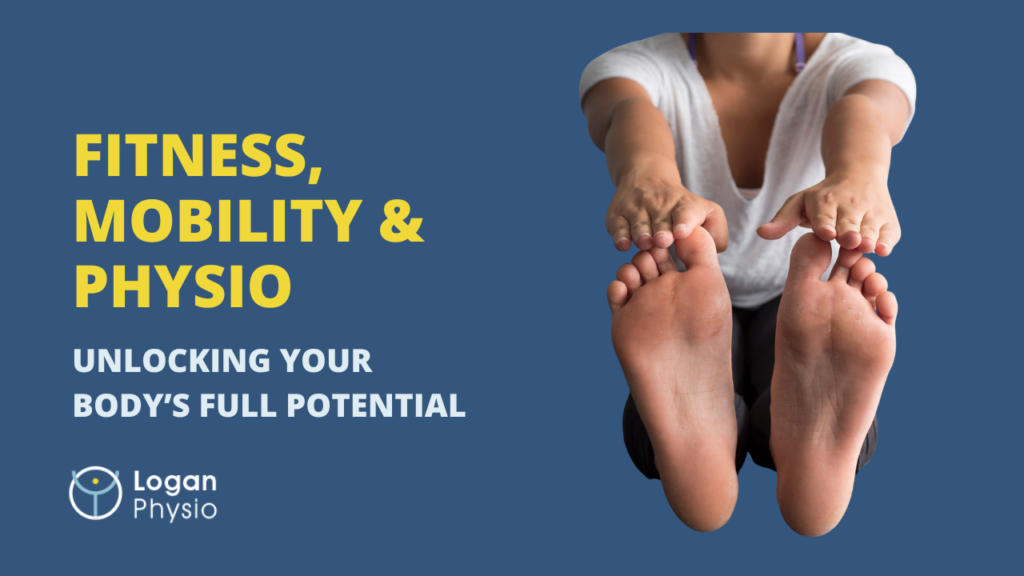
Maintaining a healthy body isn’t just about hitting the gym or going for a run – it’s about moving well, preventing injury, and ensuring your body functions optimally for the long term. Fitness, mobility, and physiotherapy are three interconnected pillars that, when combined, can significantly improve your overall health, performance, and quality of life. In this article, we’ll explore the vital links between these elements and why incorporating physiotherapy into your fitness routine can make all the difference.
Understanding the Basics: Fitness and Mobility
When we talk about fitness, most people immediately think of cardiovascular health, strength, or body composition. While these are important, true fitness also includes functional movement – the ability to move efficiently in everyday life.
Mobility, on the other hand, refers to the ability of your joints to move freely through their full range of motion. It’s not the same as flexibility; while flexibility is about muscle length, mobility is about joint function and control. Poor mobility can limit your strength, increase your risk of injury, and reduce overall performance.
For example, someone with tight hips may struggle to perform a deep squat or maintain proper running form. This limitation affects not only athletic performance but also day-to-day movements, like bending to lift objects or climbing stairs.
How Fitness and Mobility Interconnect
Fitness and mobility are deeply intertwined. Adequate mobility allows you to perform exercises safely and effectively, while regular fitness training helps maintain joint health, muscle strength, and endurance. Here’s how they support each other:
- Improved Performance: Greater mobility enhances your ability to engage muscles through their full range of motion, leading to more effective workouts.
- Injury Prevention: When your joints move correctly, stress is distributed evenly across muscles and connective tissues, reducing the risk of strains, sprains, or overuse injuries.
- Better Posture and Balance: Mobility work strengthens stabilising muscles and promotes correct alignment, which can improve posture and prevent falls or imbalances.
- Faster Recovery: Active movement improves blood flow, helping your body repair and recover after exercise.
However, improving fitness and mobility isn’t always straightforward, especially if you’re dealing with chronic pain, past injuries, or restricted movement. This is where physiotherapy becomes essential.
Physiotherapy: The Bridge Between Fitness and Mobility
Physiotherapy is often thought of as a treatment for injuries – but its role goes far beyond rehabilitation. Physiotherapists assess, diagnose, and develop personalised programs to improve movement, strength, and overall physical function. When integrated with fitness and mobility work, physiotherapy can:
1. Identify and Address Movement Limitations
A physiotherapist can detect joint restrictions, muscle imbalances, or postural issues that may be holding you back. By targeting these areas through specialised exercises, manual therapy, or corrective strategies, they help restore optimal movement patterns.
2. Personalise Fitness Programs
Everyone’s body is different. Factors like age, previous injuries, or underlying conditions mean that a “one-size-fits-all” approach to fitness can sometimes do more harm than good. Physiotherapists tailor exercise programs to your individual needs, ensuring you get stronger, fitter, and more mobile – safely.
3. Support Injury Prevention
Even if you’re healthy and active, physiotherapy can help prevent injuries by strengthening weak areas, improving balance and coordination, and teaching proper movement mechanics. This is particularly important for athletes, office workers, or anyone starting a new fitness routine.
4. Facilitate Recovery and Maintain Mobility
After an injury, surgery, or period of inactivity, physiotherapy is key to regaining mobility and function. Therapists use a combination of exercises, stretching, manual therapy, and education to help you move better and return to fitness faster.
Practical Tips to Improve Fitness and Mobility with Physiotherapy
Here are some ways you can integrate physiotherapy into your fitness and mobility routine:
- Regular Mobility Work: Incorporate daily or weekly mobility exercises for major joints, including hips, shoulders, and spine. A physiotherapist can provide personalised routines.
- Strength Training with Proper Technique: Strength exercises improve joint stability, but correct form is crucial. Physiotherapists can assess your technique and correct movement patterns.
- Targeted Stretching: Stretching alone isn’t enough; combine it with strengthening weak muscles to maintain joint integrity.
- Postural Awareness: Physiotherapists can identify postural issues and recommend strategies to reduce strain during workouts or everyday activities.
- Progressive Exercise Programs: Avoid sudden increases in intensity. Physiotherapists design progressive plans that improve fitness without overloading the body.
Real-Life Benefits of Integrating Fitness, Mobility, and Physiotherapy
Consider an office worker who experiences tight hips and lower back discomfort. Without intervention, this can lead to chronic pain and reduced fitness levels. A combination of physiotherapy-guided mobility work, tailored strength exercises, and consistent fitness training can:
- Relieve pain
- Improve posture and movement efficiency
- Enhance workout performance
- Reduce the risk of future injuries
- Increase overall energy and wellbeing
Similarly, athletes recovering from injury often find that integrating physiotherapy into their training not only accelerates recovery but also prevents recurrence of injuries, allowing them to perform at their best.
A Holistic Approach for Lifelong Health
Fitness, mobility, and physiotherapy are deeply connected. While fitness improves strength and endurance, mobility ensures your body moves efficiently, and physiotherapy bridges the gap by identifying limitations, preventing injuries, and personalising your approach.
Investing in your body through this triad isn’t just about looking or feeling good – it’s about moving well for life. Whether you’re an athlete, a desk worker, or someone looking to improve daily function, combining fitness, mobility, and physiotherapy can help you unlock your full potential and enjoy a healthier, more active future.
Take the Next Step: If you’re experiencing pain, limited movement, or want to enhance your fitness safely, consult a physiotherapist today at Logan Physio. They’ll guide you through a personalised program that keeps you moving, stronger, and injury-free.
