
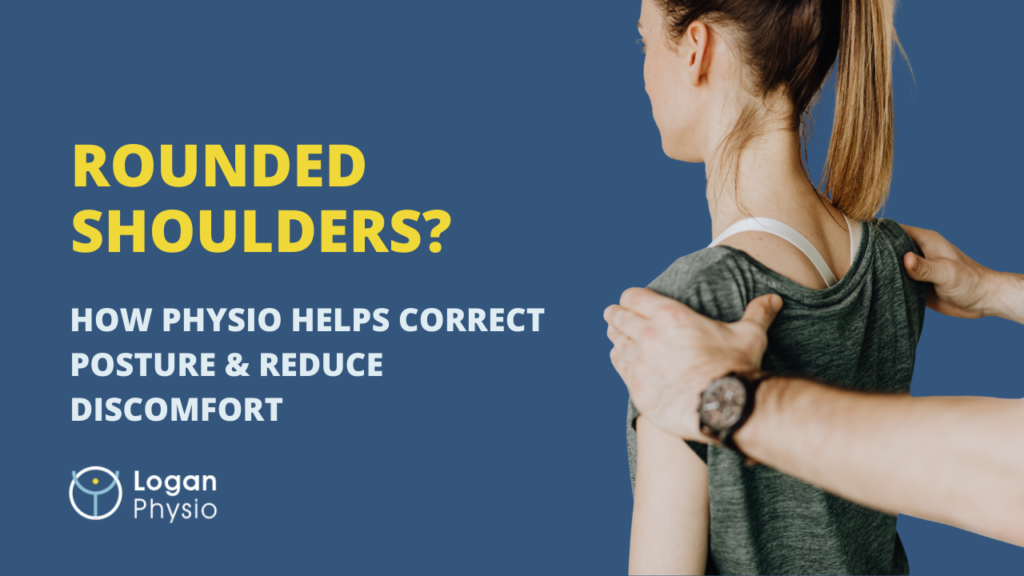
Rounded shoulders are a common postural problem that affects people of all ages. Often caused by prolonged sitting, poor ergonomics, or muscular imbalances, rounded shoulders can lead to discomfort, reduced mobility, and even long-term musculoskeletal issues. The good news is that physiotherapy offers a structured approach to address rounded shoulders, improve posture, and restore function.
In this article, we’ll explore what causes rounded shoulders, how physiotherapy can help, and practical strategies to correct and prevent this common issue.
What Are Rounded Shoulders?
Rounded shoulders occur when the shoulders are pulled forward, causing the upper back to hunch. This posture is often associated with:
- Forward head posture – where the head juts forward, increasing strain on the neck and upper back.
- Tight chest muscles – particularly the pectorals, which pull the shoulders forward.
- Weak upper back muscles – such as the rhomboids and lower trapezius, which fail to stabilise the shoulder blades properly.
- Repetitive activities – prolonged computer use, texting, or driving that encourage a slouched position.
Common symptoms of rounded shoulders include neck or shoulder pain, tension headaches, limited range of motion, and a feeling of tightness in the chest and front shoulders. Over time, these issues can lead to chronic discomfort and affect daily activities.
How Physiotherapy Helps
Physiotherapists take a comprehensive approach to treating rounded shoulders. Their goal is not only to reduce pain but also to correct posture, strengthen weak muscles, and restore functional movement patterns. Here’s how physiotherapy can help:
1. Postural Assessment and Movement Analysis
A physiotherapist will begin with a detailed assessment of your posture and movement patterns. This helps identify the root cause of your rounded shoulders. The assessment may include:
- Observing shoulder alignment from the front, side, and back.
- Testing the strength and flexibility of key muscles, including the chest, upper back, and neck.
- Analysing how you move during daily activities, like sitting, typing, or lifting.
By understanding your specific postural imbalances, physiotherapists can create a personalised plan to address your needs.
2. Stretching Tight Muscles
Rounded shoulders often develop due to tight muscles in the chest, front shoulders, and neck. Physiotherapy incorporates targeted stretches to lengthen these muscles and improve shoulder positioning. Examples include:
- Pectoral stretches – opening up the chest by stretching the front shoulder and chest muscles.
- Neck stretches – relieving tension in the upper trapezius and cervical muscles.
- Thoracic spine mobility exercises – promoting better upper back extension and reducing hunching.
Regularly stretching tight muscles helps reduce discomfort and allows the shoulders to naturally move back into proper alignment.
3. Strengthening Weak Muscles
Weak upper back and shoulder stabilisers contribute significantly to rounded shoulders. Physiotherapists prescribe exercises to strengthen these muscles, helping maintain correct posture over time. Common exercises include:
- Scapular retraction exercises – pulling the shoulder blades back and down to activate rhomboids and lower trapezius.
- Rows with resistance bands – strengthening the mid-back muscles.
- External rotation exercises – targeting the rotator cuff to support shoulder alignment.
Strengthening these muscles improves posture endurance and prevents rounded shoulders from recurring.
4. Manual Therapy and Soft Tissue Techniques
Physiotherapists may also use hands-on techniques to relieve tightness and improve joint mobility. These can include:
- Massage and myofascial release – loosening tight chest, shoulder, and upper back muscles.
- Joint mobilisation – improving shoulder and thoracic spine mobility.
- Trigger point therapy – reducing muscle knots that contribute to discomfort and poor posture.
Manual therapy complements exercise-based approaches, helping patients feel immediate relief while supporting long-term improvement.
5. Postural Education and Ergonomics
A key part of physiotherapy is teaching you how to maintain proper posture in daily life. This may involve:
- Adjusting workstation setup for computer use.
- Correcting seated posture and promoting active breaks.
- Advising on sleeping positions that support spinal alignment.
- Guidance on carrying loads or using devices like backpacks.
Small daily adjustments can make a big difference in preventing rounded shoulders from returning.
6. Creating a Sustainable Home Program
Physiotherapy isn’t just about in-clinic sessions. Your physiotherapist will provide a tailored home exercise program that fits your lifestyle. This ensures that the improvements made in therapy continue outside the clinic. Programs typically include:
- Daily stretches for the chest, neck, and shoulders.
- Strengthening exercises for the upper back and shoulder stabilisers.
- Reminders and tips for maintaining proper posture throughout the day.
Consistency is crucial, and a structured plan from a physiotherapist maximises your chances of long-term correction.
The Benefits of Physiotherapy for Rounded Shoulders
Working with a physiotherapist can provide numerous benefits beyond just correcting posture:
- Reduced pain and discomfort – less tension in the neck, shoulders, and upper back.
- Improved mobility – greater shoulder and thoracic spine range of motion.
- Enhanced strength – stronger muscles to support daily activities and posture.
- Better appearance and confidence – standing taller with shoulders back.
- Prevention of future injuries – reducing strain on joints, muscles, and ligaments.
Addressing rounded shoulders early can prevent chronic problems such as shoulder impingement, neck pain, and long-term postural issues.
Take the First Step Towards Better Posture
Rounded shoulders are common, but they are not inevitable. Physiotherapy offers a targeted, evidence-based approach to restore alignment, reduce discomfort, and strengthen postural muscles.
If you’re experiencing slouched posture, tight chest muscles, or upper back discomfort, booking an assessment with a physiotherapist is the first step toward change. With the right guidance, you can improve your posture, prevent future problems, and enjoy greater comfort and confidence in your daily life.
Don’t let rounded shoulders affect your quality of life. Schedule an appointment with a physiotherapist at Logan Physio today to start your personalised plan for better posture and pain-free movement.
