
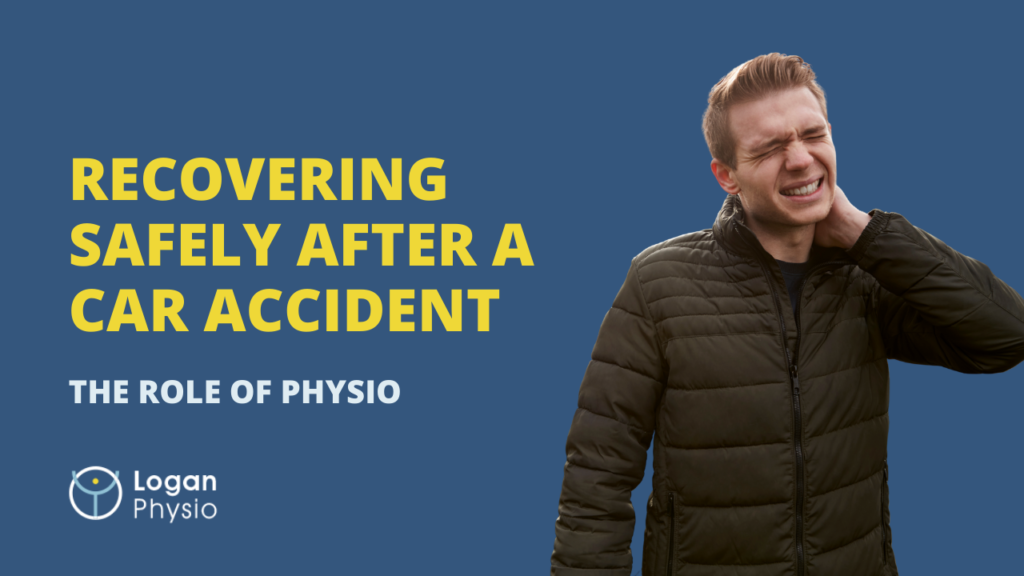
A car accident can be a sudden and unsettling experience. Even when injuries appear minor at first, the physical impact on the body can be significant and long-lasting if not addressed properly. Many people walk away from a motor vehicle accident believing they are “fine,” only to develop pain, stiffness, headaches, or reduced mobility days or even weeks later.
Recovering safely after a car accident isn’t just about rest or waiting for symptoms to pass. Physiotherapy plays a crucial role in identifying hidden injuries, guiding safe movement, and helping you return to daily activities with confidence. In this article, we’ll explore why physiotherapy is so important after a car accident, what recovery involves, and how early intervention can make a lasting difference.
Why Car Accidents Affect the Body More Than You Think
Motor vehicle accidents expose the body to sudden forces it is not designed to handle. Rapid acceleration, deceleration, twisting, or direct impact can strain muscles, joints, ligaments, nerves, and connective tissues – even in low-speed collisions.
Common injuries after a car accident include:
- Neck pain and whiplash-associated disorders
- Lower and upper back pain
- Shoulder injuries
- Headaches and jaw pain
- Rib and chest wall pain
- Hip and pelvic discomfort
- Nerve symptoms such as tingling or numbness
Importantly, adrenaline and shock can mask pain immediately after an accident. This is why symptoms often emerge later, once the body has had time to settle. Without proper assessment and treatment, these issues can become persistent and interfere with work, sleep, and quality of life.
The Importance of Early Physiotherapy After a Car Accident
One of the biggest misconceptions about post-accident recovery is that rest alone is enough. While short-term rest can be helpful, prolonged inactivity may actually slow recovery and contribute to stiffness, weakness, and ongoing pain.
Physiotherapy focuses on early, safe movement rather than complete avoidance of activity. Seeing a physiotherapist soon after a car accident allows for:
- Early identification of injuries that may not appear on scans
- Education about what is safe to do and what to avoid
- Guidance to reduce fear around movement
- Prevention of compensatory movement patterns that cause further issues
Early intervention has been shown to reduce the likelihood of pain becoming chronic and helps people return to normal activities sooner.
What a Physiotherapy Assessment Involves
After a car accident, physiotherapy is never one-size-fits-all. Your physiotherapist will begin with a comprehensive assessment tailored to your specific experience and symptoms.
This typically includes:
- A detailed discussion of the accident and your symptoms
- Assessment of posture, movement, and functional tasks
- Joint and muscle testing
- Neurological screening if required
- Identification of factors that may influence recovery, such as work demands or previous injuries
From there, your physiotherapist will develop a personalised treatment plan focused on your goals – whether that’s returning to work, driving comfortably, exercising again, or simply moving without pain.
Managing Pain and Inflammation Safely
Pain after a car accident can be unsettling, but it doesn’t always mean serious damage. Physiotherapy helps people understand pain and manage it safely without over-reliance on medication or avoidance of movement.
Treatment may include:
- Gentle manual therapy to improve movement
- Advice on activity modification
- Targeted exercises to reduce stiffness and restore mobility
- Education around pain mechanisms and reassurance
This approach helps calm the nervous system and promotes confidence in movement, which is essential for long-term recovery.
Restoring Movement, Strength, and Control
Once pain and stiffness begin to settle, physiotherapy focuses on restoring how the body moves and functions as a whole. After a car accident, muscles often become guarded, joints can lose range of motion, and strength may decline due to reduced activity.
Your physiotherapy program may involve:
- Mobility exercises for the neck, spine, and affected joints
- Strengthening exercises tailored to your needs
- Postural retraining
- Functional exercises that mimic daily tasks or work demands
Progression is gradual and guided, ensuring exercises are challenging enough to promote recovery without aggravating symptoms.
Addressing Fear and Confidence After an Accident
Recovery after a car accident isn’t purely physical. Many people experience fear of movement, anxiety about driving, or uncertainty about whether they are doing the “right thing” for their body.
Physiotherapists play an important role in addressing these concerns by:
- Providing clear explanations about injuries and healing timelines
- Encouraging safe, graded exposure to movement and activity
- Supporting a return to normal routines at a comfortable pace
This holistic approach helps people regain confidence in their body, not just reduce pain.
Preventing Long-Term Problems
One of the key goals of physiotherapy after a car accident is to reduce the risk of ongoing or recurrent issues. Without proper rehabilitation, people may unknowingly adopt poor movement habits that place extra strain on other areas of the body.
Physiotherapy helps by:
- Identifying and correcting movement compensations
- Building resilience through strength and conditioning
- Teaching self-management strategies for flare-ups
- Supporting long-term physical health, not just short-term relief
This proactive approach is particularly important for individuals returning to physically demanding jobs or regular exercise.
Navigating CTP and Insurance-Related Recovery
In many cases, physiotherapy after a car accident is supported through Compulsory Third Party (CTP) insurance. Physiotherapists experienced in motor vehicle accident recovery can help guide you through the process, communicate with relevant providers, and ensure treatment aligns with recovery goals.
This allows you to focus on healing while receiving structured, evidence-based care.
When Should You See a Physiotherapist After a Car Accident?
You don’t need to wait until pain becomes severe to seek help. It’s recommended to see a physiotherapist if:
- You experience pain, stiffness, or reduced movement after an accident
- Symptoms appear days or weeks later
- You’re unsure how much activity is safe
- You want guidance on returning to work or exercise
Early assessment can provide clarity, reassurance, and a clear plan forward.
Supporting Your Recovery with Professional Care
Recovering safely after a car accident is about more than just “pushing through” or hoping symptoms resolve on their own. Physiotherapy provides structure, guidance, and support during a time when your body has been through unexpected stress.
With personalised care, education, and progressive rehabilitation, physiotherapy helps people move better, feel stronger, and return to life with confidence after a car accident.
If you’ve been involved in a motor vehicle accident and want support with your recovery, booking an appointment with a physiotherapist at Logan Physio can be a valuable first step toward safe, long-term healing.
