
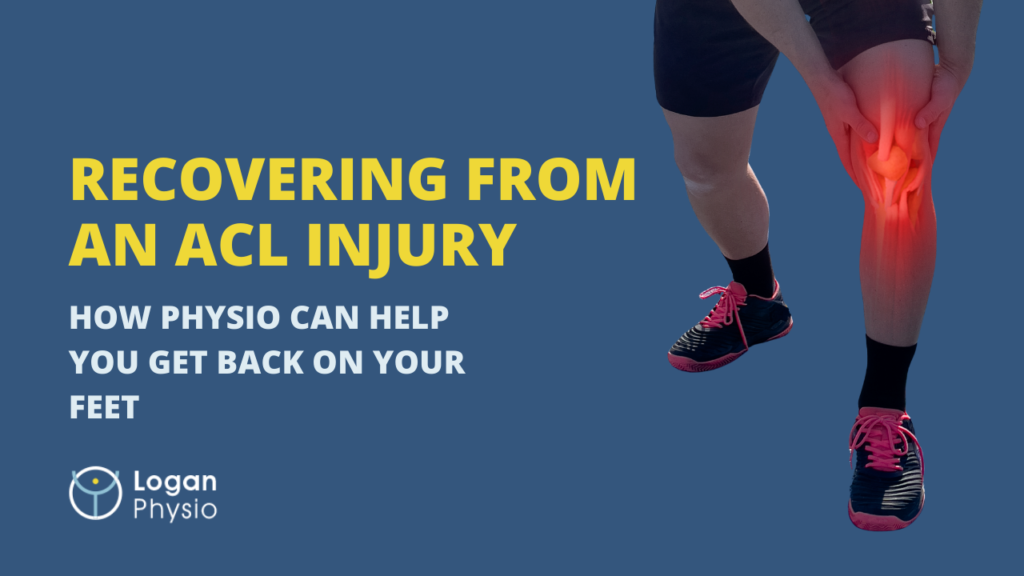
Anterior Cruciate Ligament (ACL) injuries are among the most common and challenging injuries for athletes and active individuals. Whether it’s a sudden twist on the soccer field, a misstep while skiing, or a landing gone wrong during basketball, an ACL tear can disrupt your life and keep you side-lined.
While surgery is often necessary for complete tears, physiotherapy is a cornerstone of recovery – helping you regain strength, stability, and confidence in your knee. In this blog, we’ll explore how physiotherapy supports ACL recovery, what the process involves, and why early intervention can make all the difference.
What is an ACL Injury?
The ACL is one of the key ligaments in your knee, connecting the thigh bone (femur) to the shin bone (tibia). It stabilises your knee during twisting and pivoting movements.
When the ACL is injured – whether partially torn or completely ruptured – your knee may feel unstable, swollen, and painful. Without proper rehabilitation, you risk ongoing instability, secondary injuries, and a delayed return to your sport or daily activities.
The Role of Physiotherapy in ACL Recovery
Physiotherapy isn’t just about exercises. It’s a guided, evidence-based approach designed to restore function, prevent complications, and optimise your knee’s long-term health. Here’s how physiotherapy helps during the different phases of ACL recovery:
1. Early Recovery: Reducing Pain and Swelling
Immediately after injury or surgery, your knee may be swollen, stiff, and painful. Physiotherapists use techniques such as:
- Manual therapy – gentle movements to reduce stiffness
- Ice, compression, and elevation guidance – to manage swelling
- Range-of-motion exercises – to maintain joint mobility
Early physiotherapy ensures your knee doesn’t stiffen and prevents secondary complications, like muscle weakness.
2. Restoring Strength and Stability
After an ACL injury, your quadriceps, hamstrings, and glutes can weaken quickly. Physiotherapy focuses on:
- Targeted strength exercises – to rebuild muscle support around the knee
- Balance and proprioception training – helping your brain and knee “communicate” for better stability
- Neuromuscular training – retraining your body to move safely during sports or daily activities
This phase is crucial for regaining confidence in your knee and reducing the risk of re-injury.
3. Functional Training for Everyday Movements
Physiotherapy gradually introduces activities that mimic real-life movements:
- Walking and stair climbing
- Squatting, lunging, and pivoting
- Sport-specific drills for athletes
By practising these movements under professional supervision, you can safely rebuild coordination and confidence in your knee.
4. Return to Sport: Advanced Rehabilitation
For athletes or highly active individuals, physiotherapy ensures your knee is ready to handle high-impact demands:
- Agility and cutting exercises – preparing for quick direction changes
- Plyometric training – improving explosive power and jump landing mechanics
- Movement analysis – identifying and correcting technique issues that could cause reinjury
This phase reduces the risk of re-tearing your ACL and helps you return to sport stronger and safer than before.
5. Long-Term Prevention
Even after recovery, physiotherapy remains important for preventing future injuries:
- Maintaining knee and hip strength
- Regular balance and stability exercises
- Education on safe landing, cutting, and pivoting techniques
By continuing with a tailored physiotherapy program, you minimise the chances of reinjury and protect your long-term knee health.
Why Early Physiotherapy Matters
The sooner you start physiotherapy after an ACL injury – or surgery – the better your outcomes are likely to be. Early intervention helps:
- Reduce pain and swelling quickly
- Prevent loss of motion and muscle atrophy
- Support faster, safer return to activity
Delaying rehabilitation can make recovery longer, more painful, and increase the risk of chronic knee instability.
What to Expect in a Physiotherapy Program
Every ACL rehabilitation program is personalised, but most include:
- Assessment: Your physiotherapist will evaluate your knee, movement patterns, and strength deficits.
- Goal Setting: Together, you’ll establish short-term and long-term recovery goals.
- Progressive Exercises: Starting with gentle movement, progressing to strength, balance, and sport-specific drills.
- Education: Learning safe movement techniques, injury prevention strategies, and self-management tips.
- Monitoring and Adjustment: Your program will evolve based on your progress and any setbacks.
Real-Life Impact: Getting Back to What You Love
Recovering from an ACL injury can be mentally and physically challenging. Physiotherapy not only restores your knee function but also rebuilds your confidence. Patients often report:
- Feeling secure in daily movements
- Returning to sports at pre-injury levels
- Reduced fear of re-injury
- Improved overall lower-body strength and function
Physiotherapy is Key to Successful ACL Recovery
ACL injuries don’t have to sideline you permanently. With structured physiotherapy, you can:
- Reduce pain and swelling early
- Restore strength, stability, and range of motion
- Safely return to daily activities and sports
- Prevent future knee injuries
Whether you’re a weekend warrior, a professional athlete, or just looking to stay active, physiotherapy is the essential step to a safe, complete ACL recovery.
Ready to Start Your ACL Recovery?
At Logan Physio, our physiotherapists are experienced in ACL rehabilitation. We provide tailored programs to guide you safely from injury to full function, whether post-surgery or managing a partial tear.
📍 Book an appointment today and take the first step toward a stronger, more stable knee. Don’t let an ACL injury hold you back – get moving again with confidence!
