
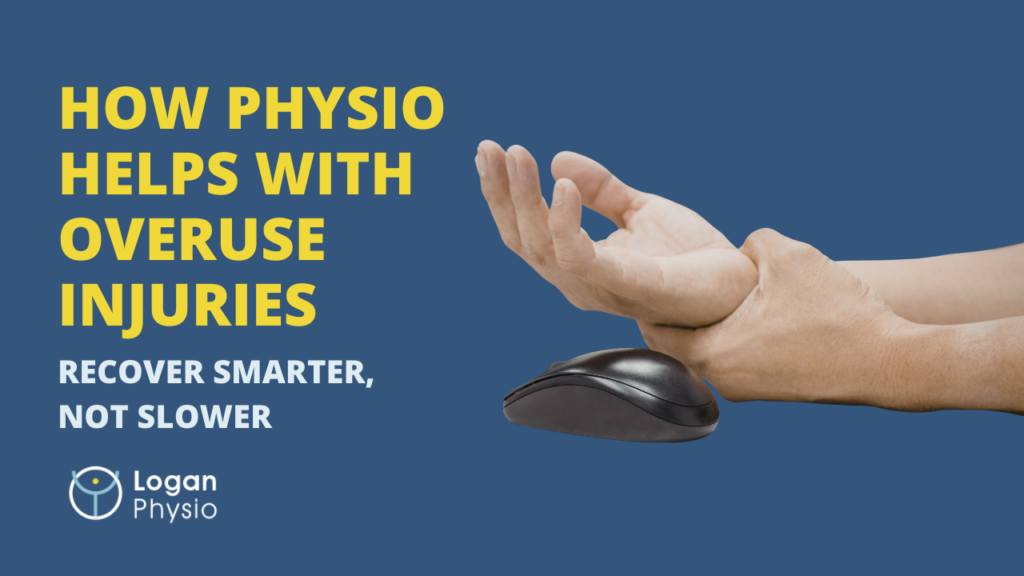
Overuse injuries don’t usually happen overnight. They build quietly over time – through repeated movements, training loads, work demands, or everyday habits that slowly exceed what your body can recover from. One day it’s a niggle. Then it’s stiffness. Before you know it, pain is interfering with work, sport, or sleep.
This is where physiotherapy plays a crucial role. Rather than simply treating symptoms, physiotherapy addresses why the injury developed in the first place – helping you recover properly and reduce the risk of it returning.
In this blog, we’ll explore what overuse injuries are, why they happen, and how physiotherapy supports long-term recovery and performance.
What Are Overuse Injuries?
Overuse injuries occur when tissues are exposed to repetitive stress without enough time or capacity to recover. Unlike acute injuries (such as sprains or fractures), overuse injuries develop gradually and often worsen if ignored.
Common overuse injuries include:
- Tendinopathies (e.g. Achilles, patellar, rotator cuff)
- Shin splints
- Stress reactions or stress fractures
- Tennis elbow and golfer’s elbow
- Plantar heel pain
- Runner’s knee
- Shoulder impingement
- Lower back pain related to repetitive strain
These injuries affect people of all activity levels – not just athletes. Office workers, tradies, healthcare workers, parents, and weekend warriors are all at risk.
Why Overuse Injuries Happen
Overuse injuries are rarely caused by one single factor. Instead, they tend to develop due to a combination of:
1. Sudden Changes in Load
Increasing training intensity, frequency, or volume too quickly is one of the most common triggers. This could mean:
- Returning to exercise after time off
- Starting a new job with physical demands
- Increasing work hours or manual tasks
- Adding extra sessions without adequate recovery
2. Poor Movement Patterns
Repetitive movements performed with inefficient mechanics can overload certain tissues while others underperform. Over time, this imbalance contributes to injury.
3. Muscle Weakness or Imbalances
When some muscles aren’t strong enough to meet demands, others compensate – often leading to excessive strain on tendons or joints.
4. Inadequate Recovery
Sleep, nutrition, stress, and rest days all influence how well your body recovers. Without proper recovery, tissues struggle to adapt.
5. Previous Injury
Past injuries can alter movement and load tolerance, increasing the risk of recurrence if not fully rehabilitated.
How Physiotherapy Helps with Overuse Injuries
Physiotherapy takes a whole-person approach to managing overuse injuries – focusing on pain relief, restoring function, and building resilience.
1. Thorough Assessment of the Root Cause
One of the biggest benefits of physiotherapy is identifying why the injury occurred – not just where it hurts.
Your physiotherapist will assess:
- Movement patterns
- Strength and flexibility
- Joint mobility
- Load history and activity levels
- Work and lifestyle demands
- Previous injuries
This allows treatment to be targeted and individualised, rather than generic or short-term.
2. Pain Management Without Relying on Rest Alone
Complete rest is rarely the best solution for overuse injuries. While short periods of load reduction may be necessary, physiotherapy focuses on active recovery.
Physiotherapists may use:
- Activity modification strategies
- Manual therapy where appropriate
- Taping or bracing (short-term)
- Education around pain and tissue healing
The goal is to reduce pain while keeping you moving safely, preventing deconditioning and stiffness.
3. Gradual Load Management and Progression
Overuse injuries are closely linked to how load is applied to tissues. Physiotherapy helps you:
- Understand your current load tolerance
- Modify activities without stopping everything
- Gradually reintroduce or build load safely
This is particularly important for tendon and bone-related injuries, where appropriate loading is essential for healing.
4. Targeted Strength and Conditioning
Strength training is one of the most effective tools for treating overuse injuries – especially tendinopathies.
Your physiotherapist will prescribe exercises that:
- Strengthen underperforming muscles
- Improve tendon and bone capacity
- Address asymmetries and weaknesses
- Match the demands of your work or sport
These programs are progressed over time, ensuring tissues adapt without being overloaded again.
5. Improving Movement Quality
Repetitive strain often comes down to how you move, not just how much you do.
Physiotherapy can help improve:
- Running or walking mechanics
- Lifting techniques
- Workplace posture and movement habits
- Sport-specific skills
Small changes in movement efficiency can significantly reduce stress on vulnerable tissues.
6. Education and Self-Management Strategies
A key part of physiotherapy is education. Understanding your injury empowers you to manage symptoms and make informed decisions.
Your physiotherapist will guide you on:
- Recognising early warning signs
- Pacing strategies
- Recovery and rest planning
- When to push and when to pull back
- Preventing flare-ups in the future
This knowledge is invaluable for long-term injury prevention.
Overuse Injuries in Everyday Life
Overuse injuries don’t only affect athletes. Physiotherapy commonly supports people with:
- Work-related repetitive strain injuries
- Long hours of standing, lifting, or sitting
- Parenting-related physical strain
- Hobbies involving repetitive movements
- Gradual aches that “just won’t settle”
Regardless of your activity level, physiotherapy helps you stay functional, comfortable, and confident in movement.
Why Early Physiotherapy Matters
Ignoring early symptoms is one of the biggest reasons overuse injuries become persistent. What starts as mild discomfort can progress into a long-term condition if left untreated.
Seeing a physiotherapist early can:
- Shorten recovery time
- Prevent worsening injury
- Reduce time off work or sport
- Improve long-term outcomes
- Help you stay active safely
Early intervention is about prevention – not just treatment.
Recover Stronger with Physiotherapy
Overuse injuries can be frustrating, but they don’t have to sideline you long-term. With the right physiotherapy approach, recovery isn’t just about getting out of pain – it’s about building a body that can handle life’s demands more effectively.
By addressing strength, movement, load, and recovery, physiotherapy helps you return to what you enjoy with confidence and resilience.
Ready to Address an Overuse Injury?
If you’re dealing with persistent aches, recurring pain, or an injury that isn’t settling, physiotherapy can help identify the cause and guide your recovery.
👉 Book an appointment with our physiotherapy team today to get personalised support and start moving better – without pushing through pain.
