
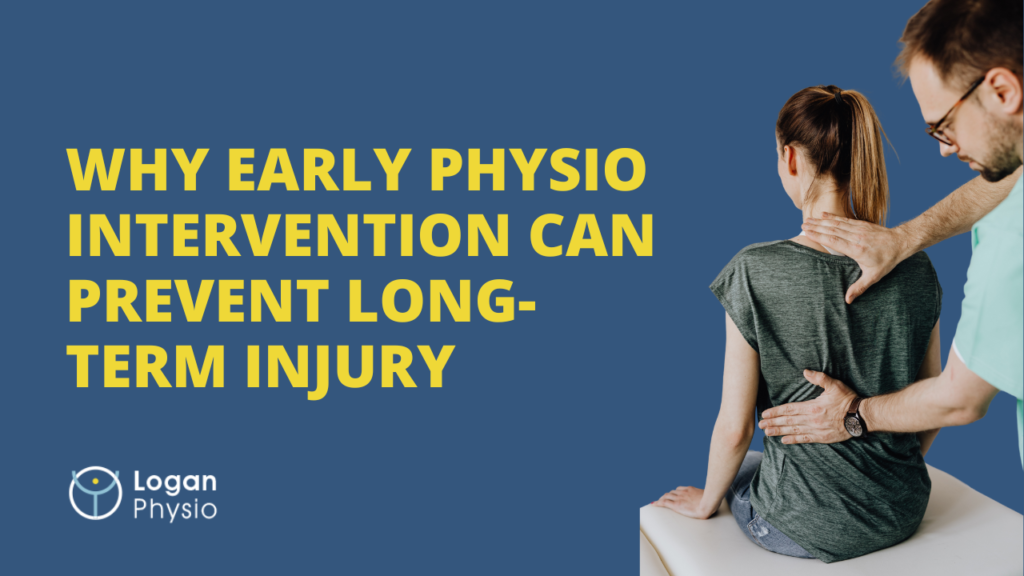
Injuries are an unfortunate reality for anyone active, from weekend warriors to professional athletes, and even those with desk-bound jobs. But what if the key to avoiding long-term complications wasn’t just rest or painkillers – but early physiotherapy? At Logan Physio, we’ve seen first-hand how addressing injuries sooner rather than later can make all the difference to long-term recovery, performance, and overall health.
In this article, we’ll explore why early physiotherapy is crucial, how it prevents long-term injury, and what you can do to safeguard your musculoskeletal health.
Understanding Injury Progression
When a muscle, tendon, ligament, or joint is injured, the body immediately begins a natural healing process. Inflammation, swelling, and pain are all signals that something needs attention. Ignoring these signals – or simply “waiting it out” – can allow the injury to worsen over time.
For example:
- Minor strains can develop into chronic muscle tightness or compensatory movement patterns.
- Joint injuries can lead to instability if surrounding muscles are weak or imbalanced.
- Repetitive strain injuries may evolve into persistent pain syndromes without early intervention.
Early physiotherapy not only addresses these immediate issues but also prevents them from snowballing into long-term, sometimes irreversible problems.
How Early Physiotherapy Helps
Physiotherapists are trained to assess, diagnose, and treat musculoskeletal injuries with precision. Here’s how early intervention can make a lasting difference:
1. Accurate Assessment and Diagnosis
A physiotherapist can identify the root cause of your pain before it becomes a chronic issue. Sometimes, what feels like a minor ache can indicate underlying weakness, postural imbalance, or early signs of joint degeneration. Early assessment ensures that the correct treatment plan is implemented before more serious damage occurs.
2. Targeted Treatment and Rehabilitation
Early physiotherapy focuses on restoring movement, strength, and flexibility as soon as possible. This may include:
- Gentle mobility exercises
- Strengthening programs to support injured structures
- Manual therapy to reduce pain and inflammation
- Education on posture and movement strategies
Starting these interventions early helps the body heal more efficiently and prevents the adoption of compensatory movement patterns, which can cause additional injuries.
3. Pain Management Without Over-Reliance on Medication
Pain is a natural signal that something is wrong, but managing it with medication alone doesn’t address the cause. Physiotherapy offers alternative pain management strategies such as:
- Therapeutic exercise
- Soft tissue release
- Joint mobilisations
- Taping or bracing techniques
Early intervention can reduce the need for long-term medication and promote natural recovery.
4. Prevention of Chronic Conditions
Many chronic injuries develop because an acute injury was left untreated or was not fully rehabilitated. For example:
- Untreated ankle sprains can lead to chronic instability and recurring sprains.
- Shoulder injuries can cause long-term weakness, impinging on daily activities.
- Lower back pain can become chronic without proper early intervention.
By addressing injuries promptly, physiotherapy reduces the risk of developing chronic pain or repetitive strain issues, keeping you active and healthy.
5. Optimising Recovery Time
Early physiotherapy accelerates recovery. By intervening before compensatory habits form, you can regain normal function more quickly. This is especially important for athletes, active adults, and people returning to work after injury. Quicker recovery also means less time away from work, sport, and daily life.
6. Educating for Long-Term Health
Physiotherapists don’t just treat injuries – they empower patients with knowledge. Early intervention often includes education on:
- Proper ergonomics at work
- Safe exercise techniques
- Stretching and strengthening routines
- Injury prevention strategies
This education equips patients to avoid future injuries, turning short-term treatment into a long-term health investment.
Common Scenarios Where Early Physiotherapy Makes a Difference
Here are a few real-world examples:
- Sports Injuries: A sprained ankle treated early with physiotherapy recovers faster and has a lower risk of chronic instability.
- Postural Strains: Desk workers who experience early neck or shoulder pain can prevent long-term postural problems through guided exercise and ergonomic adjustments.
- Overuse Injuries: Runners or gym-goers with early tendon pain can avoid tendonitis by addressing weakness or technique issues promptly.
In all these cases, the key is timely intervention – catching injuries before they develop into something more serious.
When to See a Physiotherapist
It’s a common misconception that physiotherapy is only for severe injuries. In reality, the best time to see a physiotherapist is:
- Immediately after a strain, sprain, or minor accident
- When pain starts affecting daily activities
- If you notice swelling, stiffness, or reduced range of motion
- Even for “nagging” aches that come and go
Early assessment ensures that treatment is preventative rather than reactive.
Don’t Wait for the Pain to Become Permanent
Early physiotherapy isn’t just about treating pain – it’s about preventing long-term injury, maintaining mobility, and optimising overall function. By acting promptly, you can reduce the risk of chronic pain, shorten recovery time, and protect your body for years to come.
If you’ve recently experienced an injury or even a minor ache that’s affecting your daily life, don’t wait. Book an assessment with our physiotherapists at Logan Physio and take control of your recovery today. Prevention is always better than cure – and your future self will thank you.
