
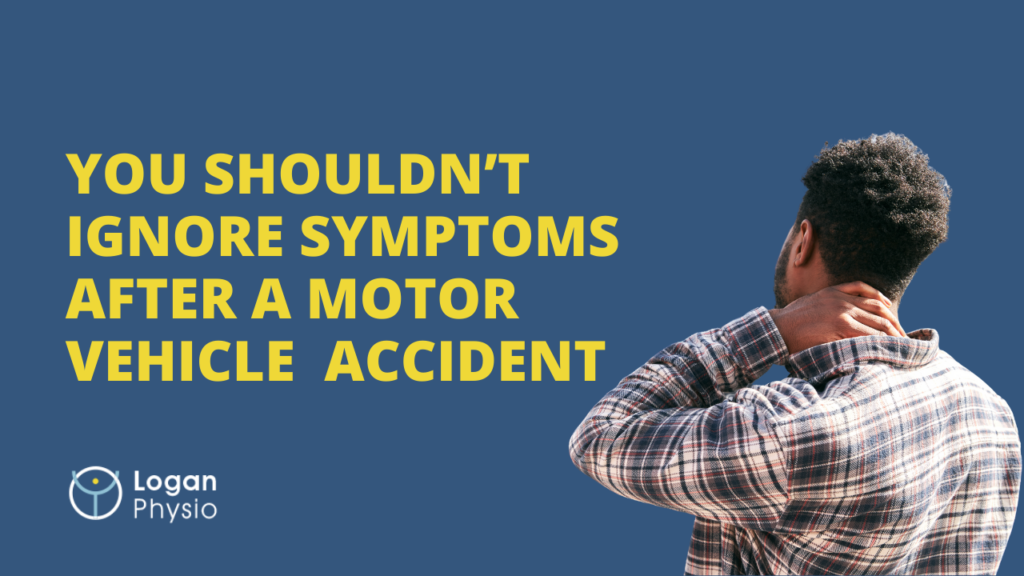
Motor vehicle accidents (MVAs) can be jarring experiences. Even minor collisions can leave your body experiencing hidden injuries that may not be immediately apparent. It’s common for people to feel fine right after an accident, but ignoring symptoms can lead to chronic pain, mobility issues, and long-term health consequences. Understanding why early assessment and treatment are critical can help you protect your wellbeing and prevent complications down the road.
Hidden Injuries: Why “Feeling Fine” Can Be Misleading
After an accident, adrenaline and shock often mask the severity of your injuries. This means you might feel fine at the scene, but subtle signs can indicate serious problems. Common hidden injuries include:
- Whiplash and neck strain: Rapid back-and-forth movement of the neck can cause soft tissue damage that might not appear until hours or days later.
- Concussions or mild traumatic brain injuries: Symptoms like headaches, dizziness, or memory problems may develop gradually.
- Spinal injuries: Even minor accidents can cause disc injuries or misalignments that worsen over time.
- Internal injuries: Abdominal or thoracic trauma may not be immediately obvious but can become dangerous if untreated.
- Soft tissue injuries: Sprains, strains, and bruising can progressively affect your range of motion and daily function.
Because these injuries are often subtle initially, ignoring them can allow damage to worsen, making treatment more complicated later.
Common Symptoms You Should Never Ignore
While some symptoms are obvious, others can be more subtle. Knowing what to watch for is crucial:
- Persistent pain in the neck, back, or joints
- Numbness, tingling, or weakness in your limbs
- Limited range of motion or stiffness
- Headaches, dizziness, or balance issues
- Fatigue or sleep disturbances
- Mood changes or difficulty concentrating
Even mild or intermittent symptoms should prompt a professional assessment. Early intervention can prevent long-term complications and speed up recovery.
Why Early Assessment Matters
Seeking professional help after a motor vehicle accident isn’t just about treating pain – it’s about preventing chronic conditions. Physiotherapists, doctors, and allied health professionals can:
- Diagnose hidden injuries before they worsen
- Provide targeted treatment plans including exercises, manual therapy, and posture correction
- Reduce the risk of chronic pain and disability by addressing problems early
- Offer guidance on safe return to daily activities to prevent further injury
Studies consistently show that early treatment after MVAs leads to better long-term outcomes. Ignoring symptoms often results in longer recovery times and may require more invasive treatments later.
The Role of Physiotherapy After an Accident
Physiotherapy is a cornerstone of recovery after a motor vehicle accident. Your physiotherapist can:
- Identify musculoskeletal injuries that aren’t immediately obvious
- Implement gentle exercises to restore strength, flexibility, and mobility
- Address pain through targeted techniques like soft tissue therapy, mobilisation, and posture retraining
- Educate you on injury prevention to reduce the risk of recurring problems
Even if you feel okay initially, a physiotherapy assessment can uncover subtle issues that could affect your long-term health.
Long-Term Risks of Ignoring Symptoms
Choosing to “wait and see” after an accident can have serious consequences. Potential long-term risks include:
- Chronic pain syndromes such as ongoing neck or back pain
- Reduced mobility and function, affecting work and daily life
- Degenerative changes in the spine or joints due to untreated injuries
- Mental health impacts like anxiety, depression, or post-traumatic stress
Addressing injuries early not only reduces these risks but also helps maintain your quality of life.
Practical Steps to Take After an Accident
If you’ve been involved in a motor vehicle accident, follow these steps to protect yourself:
- Seek medical assessment promptly – even if symptoms seem minor.
- Document your symptoms – note when pain or discomfort appears and any changes over time.
- Follow professional advice – attend recommended physiotherapy, medical, or imaging appointments.
- Avoid self-diagnosis – symptoms may seem minor but could indicate more serious injury.
- Monitor your recovery – report any new or worsening symptoms to your healthcare provider immediately.
Remember, early action often leads to shorter recovery times and better outcomes.
Final Thoughts
Motor vehicle accidents are stressful, and it’s easy to assume you’re fine if you feel okay initially. However, the body often hides injuries under the effects of adrenaline and shock. Ignoring symptoms can lead to chronic pain, mobility issues, and long-term complications that affect your daily life.
If you’ve been in an accident – even a minor one – schedule a thorough assessment with a physiotherapist or healthcare professional. Early evaluation, guided treatment, and consistent monitoring are key to protecting your health and returning to normal activities safely.
Don’t wait until pain or dysfunction becomes chronic. Prioritise your recovery today.
If you’ve recently been in a motor vehicle accident, don’t ignore the signs your body is giving you. Book an assessment with our experienced physiotherapists at Logan Physio to ensure your recovery starts on the right path. Your future self will thank you.
