
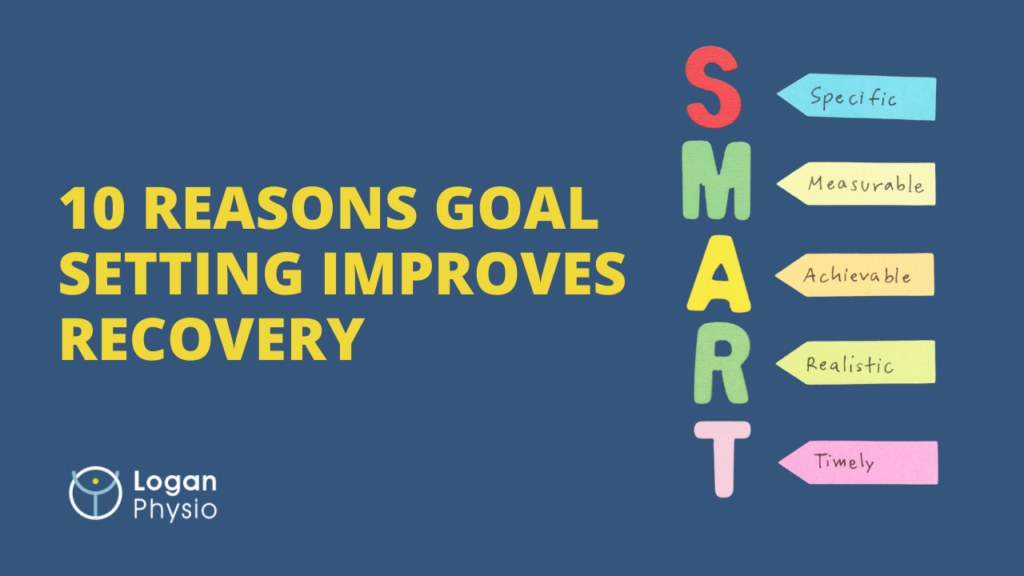
Recovering from an injury or managing a health setback can be challenging, both physically and mentally. Whether you’re healing from surgery, returning to sport after an injury, or working through chronic pain, setting goals can be a game-changer. Goal setting isn’t just about tracking milestones – it’s a powerful strategy that can improve your motivation, progress, and overall recovery experience. Here are 10 reasons why goal setting improves recovery and how you can use this tool to optimise your rehabilitation journey.
1. Provides Direction and Focus
Without clear goals, it’s easy to feel lost or unsure about your next steps in recovery. Setting specific, achievable goals gives you a roadmap, showing exactly what needs to be accomplished. This direction helps both you and your physiotherapist focus on exercises and interventions that truly matter, rather than randomly “doing something” in the hopes it helps.
2. Increases Motivation
Recovery can be slow and frustrating, and maintaining motivation is often the hardest part. Goals provide a sense of purpose and a reason to keep going, even on tough days. Whether it’s being able to walk without pain, return to a favourite sport, or simply regain everyday mobility, clear goals help you stay committed.
3. Makes Progress Measurable
Small wins add up. By setting measurable goals, you can track your progress over time. Seeing improvements – like increased range of motion, strength gains, or reduced pain – reinforces that your efforts are paying off. This measurable progress can boost confidence and make recovery feel more manageable.
4. Encourages Accountability
Goals make you accountable, both to yourself and your healthcare team. When you have clearly defined objectives, it’s easier to stick to exercise programs, attend appointments, and follow advice. Sharing your goals with your physiotherapist can also help them tailor your rehabilitation plan and provide encouragement along the way.
5. Helps Prioritise Recovery Activities
Not all exercises or treatments are created equal. Goal setting allows you to prioritise activities that directly contribute to your recovery milestones. For example, if your goal is to return to running, your physiotherapist can focus on strength, balance, and flexibility exercises that specifically support running mechanics.
6. Reduces Anxiety and Uncertainty
Injury or illness often brings uncertainty. You may feel anxious about whether you’ll ever regain full function. Goals can reduce this uncertainty by breaking the recovery process into smaller, manageable steps. Knowing what you’re working toward, and when, makes the journey less overwhelming.
7. Promotes Positive Mindset
Setting and achieving goals creates a sense of accomplishment and positivity. Celebrating even small achievements reinforces that you are capable of progress, which can have a powerful impact on mental wellbeing. Recovery is as much mental as it is physical, and maintaining a positive mindset can accelerate healing.
8. Improves Compliance with Rehabilitation Programs
Patients who set goals are more likely to stick with their rehabilitation programs. When exercises and activities are tied to specific goals, they feel meaningful rather than routine. This adherence improves outcomes and helps you recover faster.
9. Encourages Problem-Solving
During recovery, setbacks and challenges are inevitable. Goal setting encourages a problem-solving mindset. If you can’t reach a goal as planned, you and your physiotherapist can adjust strategies, explore alternative exercises, or modify expectations. This proactive approach keeps recovery on track.
10. Facilitates Long-Term Health and Performance
Goal setting isn’t just beneficial during recovery – it lays the foundation for long-term health. Learning to set realistic, meaningful goals helps you maintain strength, flexibility, and mobility beyond rehabilitation. It also fosters habits that prevent future injuries and support ongoing wellbeing.
How to Set Effective Recovery Goals
To maximise the benefits of goal setting, it’s important to approach it strategically:
- Be Specific: Instead of “get stronger,” aim for “increase quadriceps strength by 15% in six weeks.”
- Make Goals Measurable: Use metrics like distance, repetitions, or pain levels to track progress.
- Keep Goals Achievable: Set realistic expectations based on your current condition.
- Set Timeframes: Deadlines create urgency and focus.
- Break Big Goals Into Smaller Steps: Smaller milestones make progress more tangible and less overwhelming.
- Celebrate Wins: Acknowledge every achievement, no matter how small – it fuels motivation.
Final Thoughts
Recovery can be challenging, but goal setting gives you the tools to stay motivated, focused, and empowered throughout the process. By providing direction, increasing motivation, and making progress measurable, goals turn the recovery journey from uncertain and frustrating into structured and achievable.
If you’re navigating an injury or looking to optimise your recovery, working with a physiotherapist to set tailored goals can make a real difference. At Logan Physio, we help patients define and achieve meaningful recovery milestones, ensuring you regain function safely and effectively.
Book an appointment today to start your personalised goal-driven recovery journey.
