
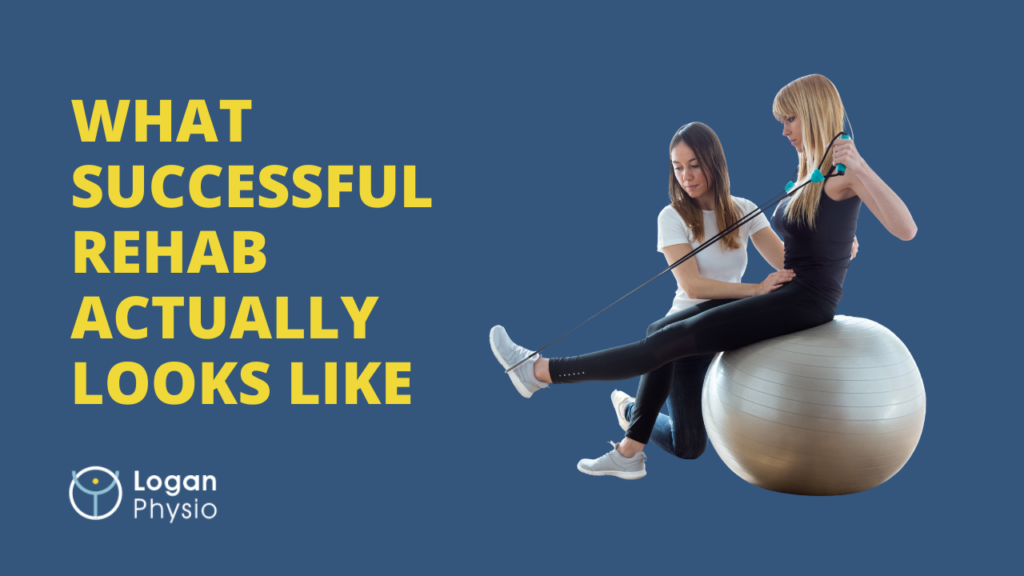
When you’re recovering from an injury, surgery, or chronic condition, the path to getting back to your best can feel long and uncertain. You may have heard phrases like “successful rehabilitation,” but what does that really mean? Is it just about being pain-free, or is there more to it? At Logan Physio, we believe successful rehabilitation is about restoring function, confidence, and independence – so you can return to the activities you love safely and effectively.
Beyond Pain Relief: The True Goal of Rehabilitation
Many people assume that rehab is successful when the pain goes away. While pain reduction is an important milestone, it’s not the full picture. True success in rehabilitation means you can move freely, perform your usual activities, and prevent future injuries.
For example, after a knee injury, a patient might feel no pain walking around the house, but struggle to climb stairs or return to running. Without targeted exercises and functional rehabilitation, the risk of re-injury remains high.
Successful rehabilitation addresses:
- Strength: Regaining the muscle power around injured areas to support normal movement.
- Flexibility & Mobility: Restoring joint range of motion and reducing stiffness.
- Balance & Coordination: Improving stability to prevent falls or secondary injuries.
- Endurance: Ensuring your body can handle daily activities or sports without fatigue.
- Confidence: Overcoming fear of movement that often develops after injury.
The Phases of Successful Rehabilitation
Rehabilitation isn’t a single step – it’s a process. Understanding these phases can help you track progress and know what to expect:
1. Acute Phase – Protect and Reduce Pain
This is the initial stage after an injury or surgery, focused on managing pain, inflammation, and protecting the affected area. Your physiotherapist will guide gentle movements and modalities to prevent stiffness and maintain circulation.
2. Recovery Phase – Regain Movement & Strength
Once pain is under control, the focus shifts to restoring range of motion, building strength, and correcting movement patterns. Targeted exercises and functional training play a key role here.
3. Functional Phase – Returning to Daily Life
This stage is about translating your recovery into practical activities. Whether it’s climbing stairs, returning to work, or playing sport, the goal is to safely reintroduce tasks while monitoring for any setbacks.
4. Maintenance Phase – Long-Term Health & Injury Prevention
Rehabilitation doesn’t end when you feel better. Maintaining strength, flexibility, and proper movement habits helps prevent recurrence of injury and keeps you performing at your best.
Signs Your Rehabilitation Is on Track
Knowing whether your rehab is working can be tricky, but there are key indicators of success:
- Improved Function: You can perform everyday tasks more easily and with less effort.
- Progressive Strength Gains: You notice increased endurance, stability, and muscle control.
- Confidence in Movement: Fear of using the injured area diminishes.
- Minimal Pain or Discomfort: Pain is manageable and reduces over time.
- Sustainable Lifestyle Changes: You’ve incorporated exercises or routines that support long-term health.
The Role of a Physiotherapist in Your Success
A physiotherapist isn’t just someone who prescribes exercises – they’re your guide, coach, and accountability partner throughout rehabilitation. At Logan Physio, we:
- Conduct thorough assessments to identify the root cause of your injury.
- Design tailored rehabilitation programs that target your specific goals.
- Use evidence-based techniques to speed recovery safely.
- Monitor progress and adapt your plan as your strength, mobility, and confidence improve.
By having a professional oversee your rehabilitation, you’re more likely to achieve lasting results rather than temporary fixes.
Motivation and Mindset Matter
Recovery is as much mental as it is physical. Many patients struggle with motivation, especially when progress feels slow. Setting small, achievable goals, celebrating milestones, and tracking improvements can help maintain momentum.
For some, joining group rehabilitation classes can also provide extra motivation. Working alongside others with similar goals creates a supportive environment, keeps you accountable, and even makes rehab fun.
Real-Life Example: From Injury to Independence
Take the case of someone recovering from a shoulder injury. Early on, they may rely on assistance for daily activities and experience significant pain. Through structured physiotherapy, progressive strengthening exercises, and functional training:
- They regain shoulder range of motion.
- Strength in surrounding muscles improves, reducing strain on the joint.
- They rebuild confidence and return to sports or hobbies safely.
This is what successful rehabilitation looks like – not just pain-free, but fully functional and resilient.
Making Your Rehabilitation Work for You
Successful rehabilitation requires commitment, guidance, and a plan that evolves with your progress. Whether you’re recovering from a sports injury, post-surgery, or managing a chronic condition, taking a proactive approach is key.
At Logan Physio, we help patients achieve long-term success through personalised programs and hands-on support. Whether you’re looking for one-on-one physiotherapy or motivating group classes, we can guide you every step of the way.
📅 Book an appointment today or join our group rehabilitation classes to start your journey toward a stronger, healthier, and more confident you.
