
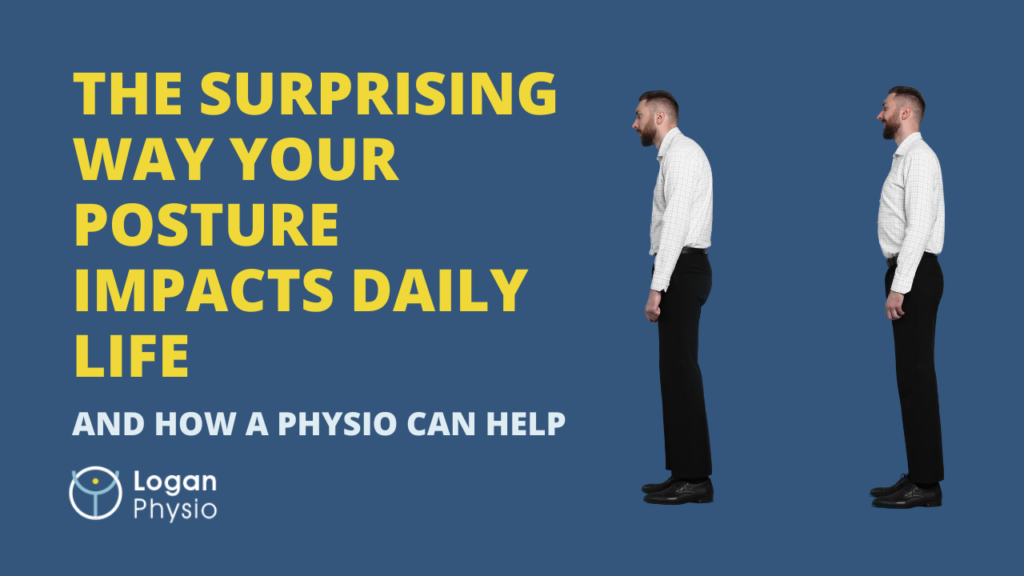
Posture is something many of us take for granted. Slouching at your desk, hunching over your phone, or dragging yourself out of bed – these habits may seem harmless. But the truth is, posture affects much more than just your appearance. From your energy levels to your mood, digestion, and even confidence, posture plays a pivotal role in daily life.
Thankfully, physiotherapists are experts in helping people identify and correct posture issues, so you can move, feel, and function better every day.
How Poor Posture Affects Your Body
1. Muscle and Joint Pain
One of the most immediate effects of poor posture is musculoskeletal discomfort. Slouching forward places excess strain on your neck, shoulders, and lower back. Over time, this can lead to chronic tension, stiffness, and even pain in areas like the upper back and hips.
A physiotherapist can assess your posture, identify the muscles that are weak or tight, and design targeted exercises to relieve pain and prevent future issues.
2. Reduced Lung Capacity and Breathing Efficiency
Slumping forward compresses your chest cavity, limiting your ability to take deep, full breaths. Shallow breathing can reduce oxygen intake, leaving you feeling fatigued and less focused throughout the day.
Physiotherapists can guide you through breathing and mobility exercises that open up the chest, improve posture, and boost energy.
3. Digestive Issues
Poor posture isn’t just a musculoskeletal problem – it can affect your digestion too. Slouching after meals compresses abdominal organs, potentially slowing digestion and contributing to bloating or discomfort. Learning proper posture from a physiotherapist can improve your body alignment and support better overall health.
How Posture Affects Your Mind and Mood
1. Mental Focus and Productivity
Your posture influences your cognitive function. Sitting or standing upright can improve focus, alertness, and productivity, while slumping can promote fatigue and reduce mental clarity.
A physiotherapist can provide posture tips for your daily routine, helping you stay alert and productive at work or home.
2. Confidence and Self-Perception
Body language matters, and posture is key. Standing tall with shoulders back makes you appear more confident – and can even improve how you feel about yourself. Physiotherapy-led posture programs focus on alignment and movement habits, helping you feel more confident and in control of your body.
Everyday Habits That Contribute to Poor Posture
Even if you exercise regularly, daily habits can undermine posture:
- Long hours at a desk: Sitting for extended periods encourages slumping.
- Smartphone use: “Text neck” strains your neck and upper back.
- Unsupportive sleep positions: Sleeping on your stomach or with improper pillows misaligns your spine.
- Carrying heavy bags incorrectly: Overloading one shoulder can pull your body out of alignment.
Physiotherapists can assess your lifestyle and posture habits, offering personalised strategies to reduce strain and improve alignment.
How Physiotherapy Can Improve Your Posture
1. Posture Assessment
A physiotherapist can evaluate your spine, joints, and muscle balance to identify areas contributing to poor posture. Using tools and techniques, they can pinpoint issues you may not even notice.
2. Targeted Exercise Programs
Physiotherapists design exercises that strengthen weak muscles, stretch tight areas, and retrain your body to maintain good alignment. Common exercises focus on:
- Upper back and shoulder strengthening
- Core stability and glute activation
- Stretching chest, neck, and hip flexors
3. Ergonomic Advice
Physiotherapists can advise on your workspace, seating, and daily habits to prevent posture-related issues. Small adjustments to your desk setup, chair, or sleeping position can have a huge long-term impact.
4. Pain Management and Rehabilitation
For those already experiencing discomfort or chronic pain from poor posture, physiotherapy provides hands-on treatment, manual therapy, and rehabilitation programs to restore function and reduce pain.
Everyday Tips to Improve Posture (With Physiotherapy Guidance)
- Check your workstation: Adjust chair, monitor, and desk for proper alignment.
- Strengthen postural muscles: Include exercises targeting your back, core, and glutes.
- Stretch tight areas: Focus on chest, neck, and hip flexors, guided by a physiotherapist if needed.
- Move mindfully: Frequently check your posture while standing, walking, or sitting.
- Seek professional support: A physiotherapist can provide personalised advice, exercises, and strategies tailored to your lifestyle.
The Long-Term Benefits of Good Posture
By prioritising posture and consulting a physiotherapist, you’ll enjoy benefits that extend beyond appearance:
- Reduced risk of pain and injury
- Increased energy and reduced fatigue
- Improved breathing, digestion, and circulation
- Enhanced confidence, mood, and mental focus
Good posture is more than just looking taller – it’s about feeling healthier, moving efficiently, and living life with less pain.
Take the First Step Toward Better Posture
Whether you’re sitting at a desk, commuting, or relaxing at home, posture matters. A physiotherapist can assess your alignment, identify weaknesses, and create a personalised program to improve your posture and prevent pain. Book an appointment today at Logan Physio and start feeling the difference that good posture can make.
